 0
 0
 English
 España
 French
How to Audit a Bathroom Factory Before a Large Order
A large bathroom-hardware order is ultimately a commitment to a factory's production capability, qu...

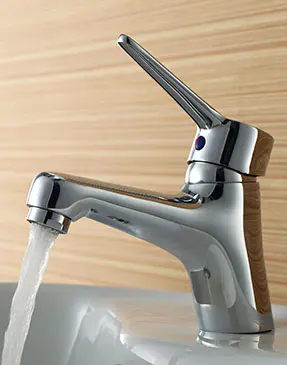
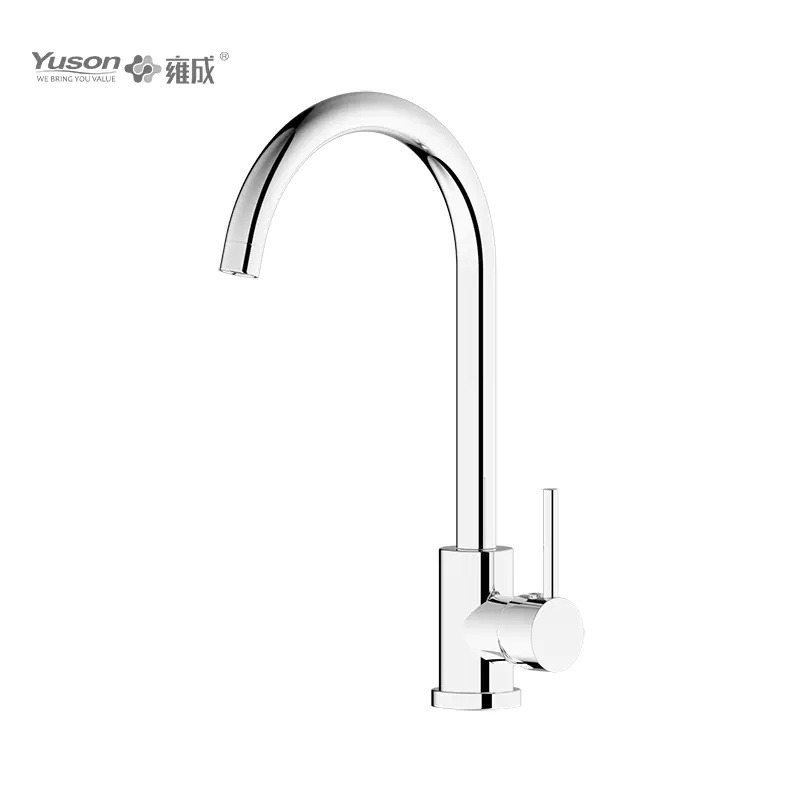
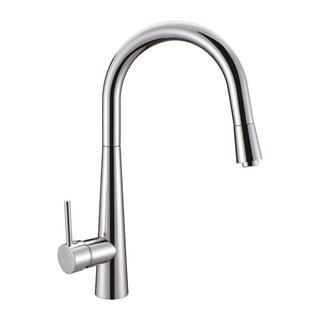
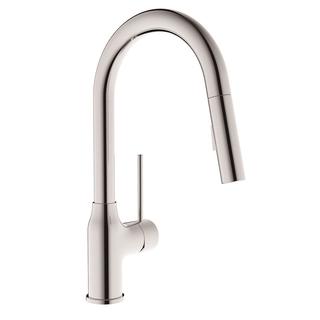
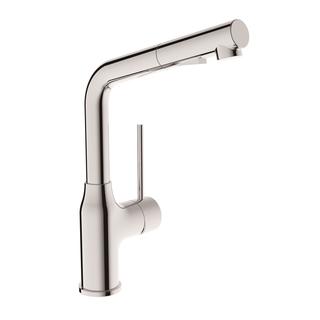
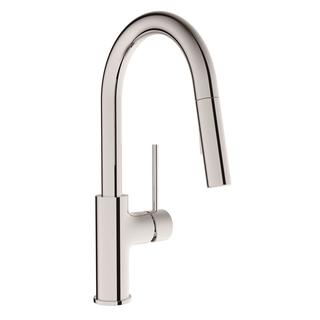
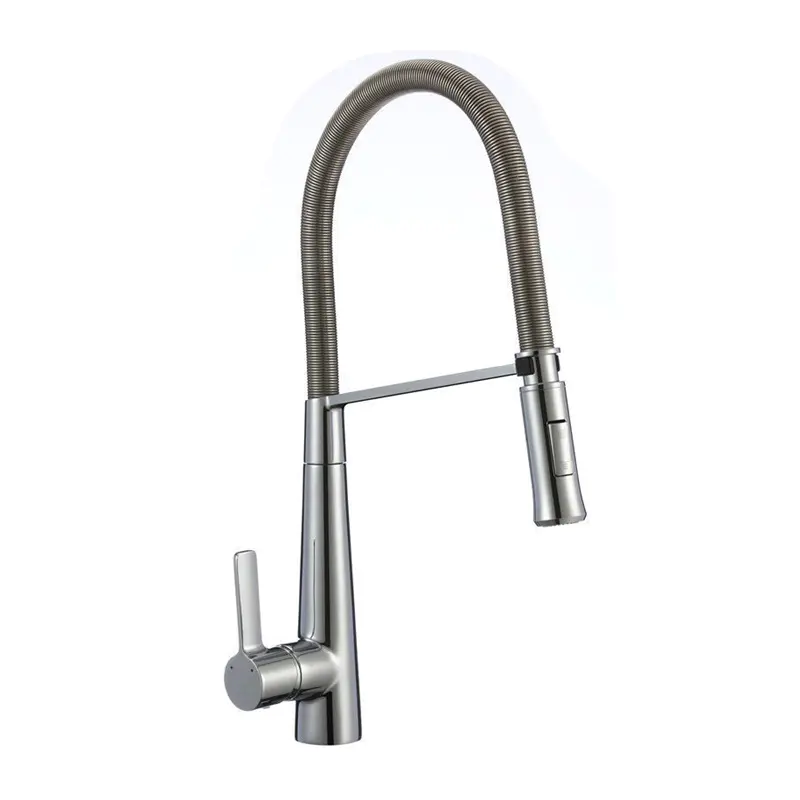
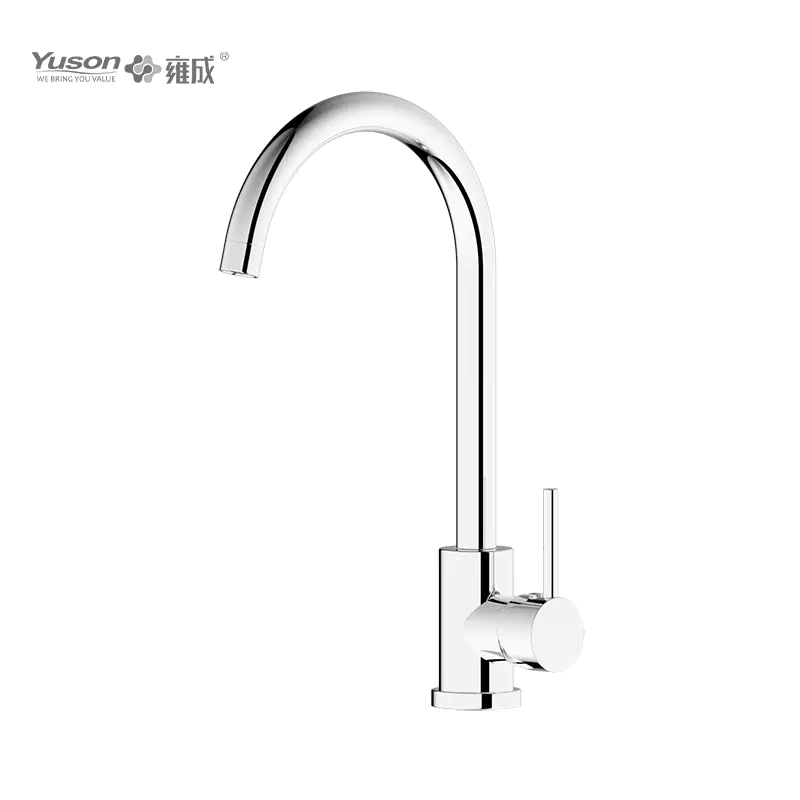
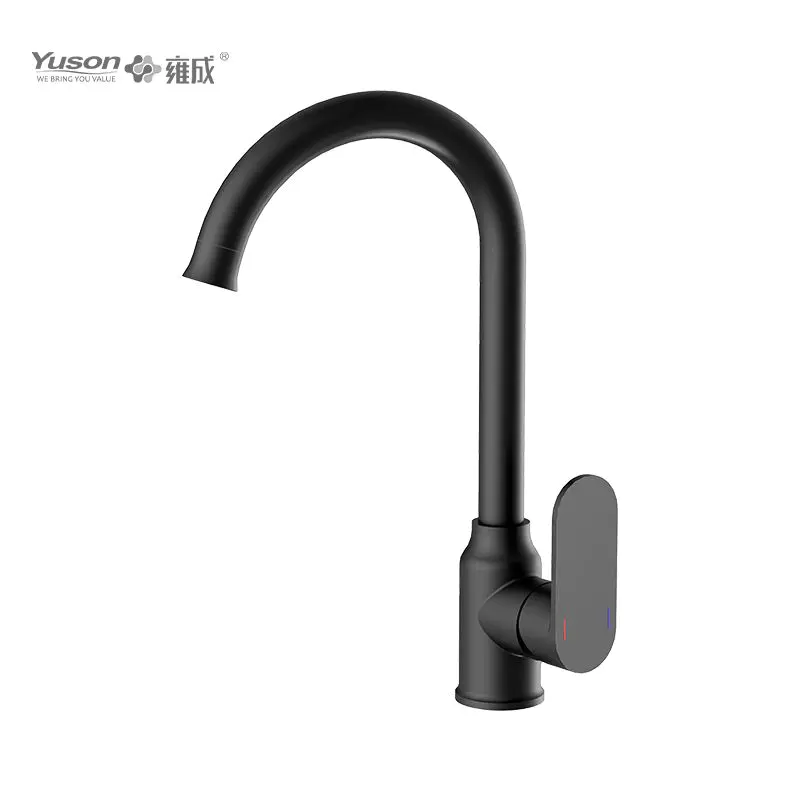
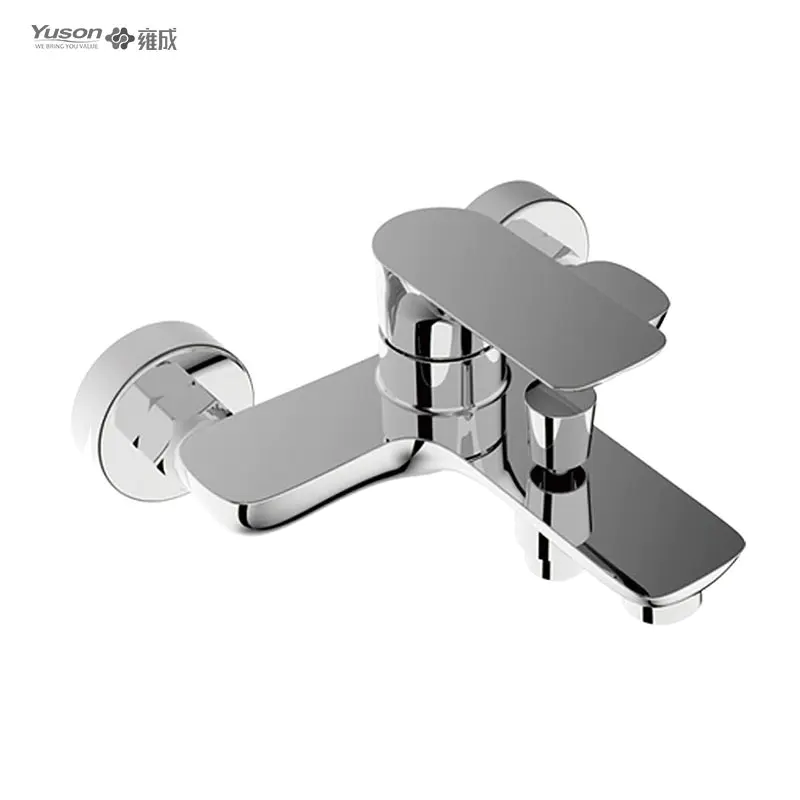
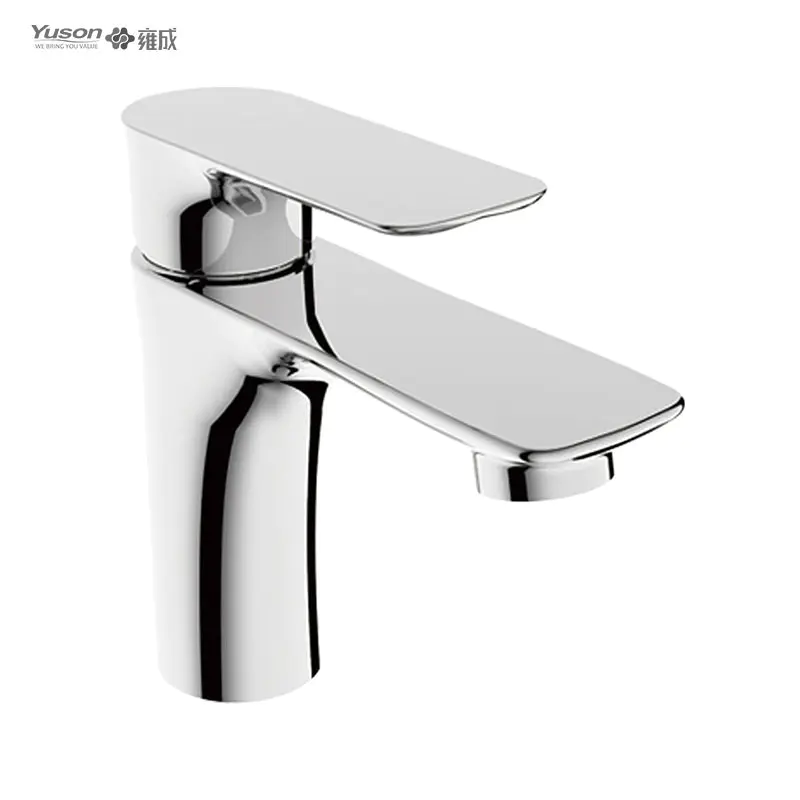
Sku No.: 2011-50-CP(chrome plated) | 2011-50-MB(matte black painted) | 2011-50-BN(brushed nickel) | 2011-50-GB(metal gun grey) | 2011-50-BG(PVD brushed gold)
Specifications
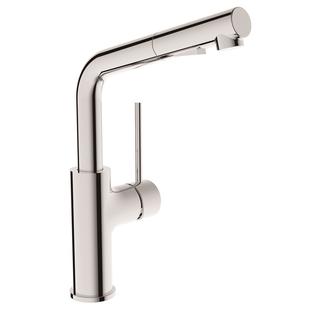
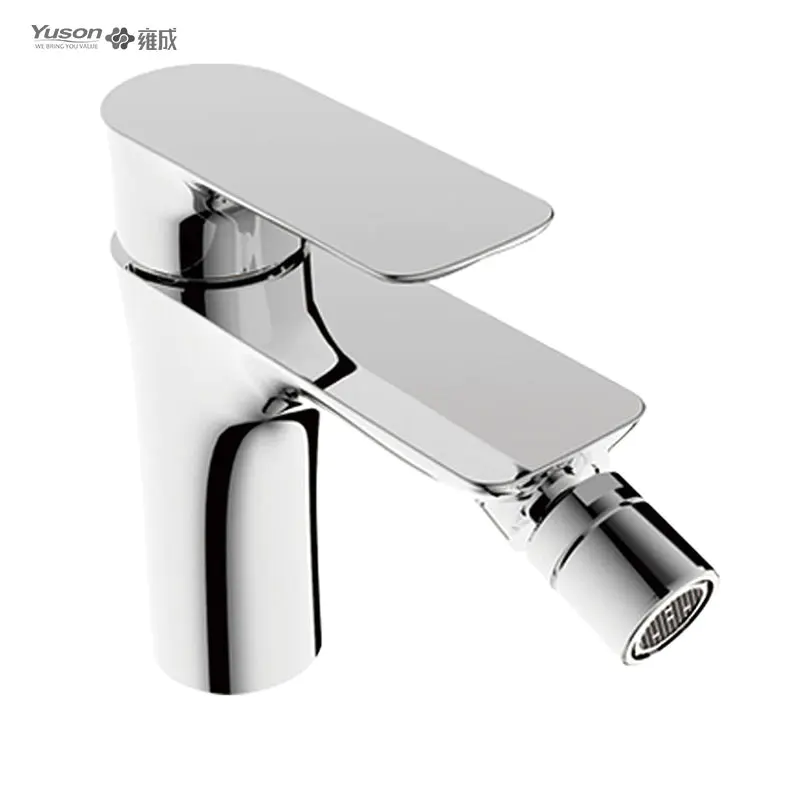
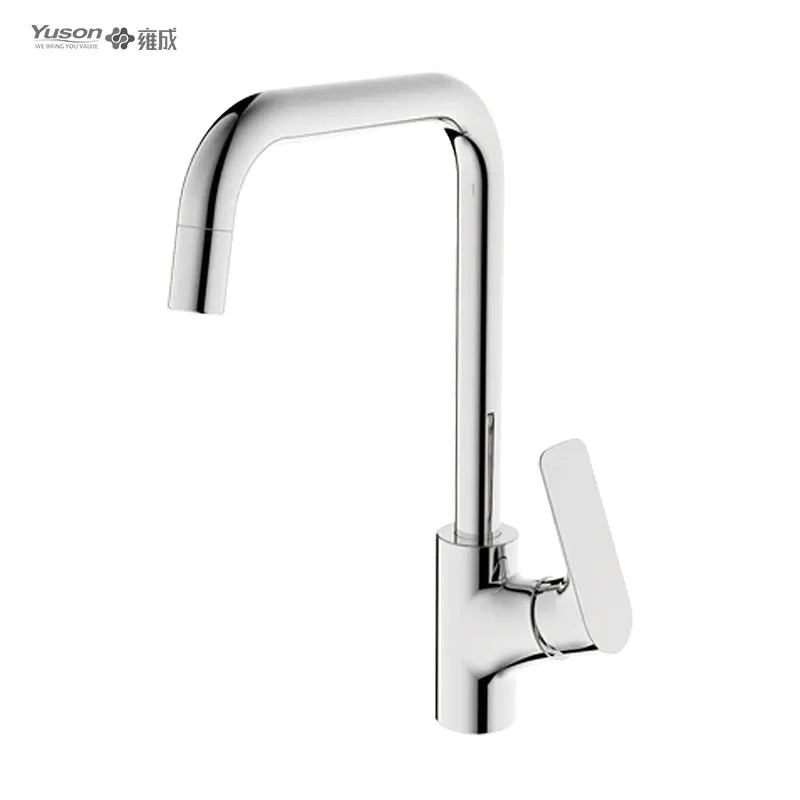
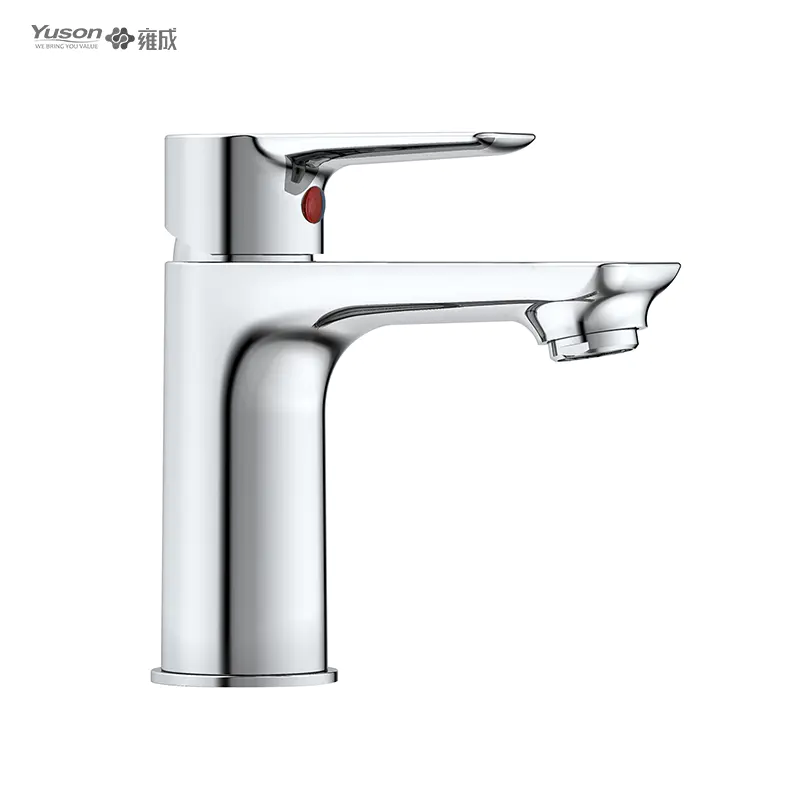
Above counter sink mixer;
Materials: SS304 body, SS304 handle, SS304 spout;
Cartridge: ceramic cartridge, Mingdi ø35mm;
Aerator: Neoperl;
Base seat: indluded, SS304;
Flexible hoses: 2pcs, G3/8-M10*1-400mm;
Corrosion Resistance: Stainless steel material has excellent corrosion resistance, maintaining its luster even in humid environments and is not prone to rusting.
Durability: Stainless steel faucets are structurally robust and resistant to wear and tear, offering a long service life, making them an ideal choice for both household and commercial settings.
Hygienic Safety: The smooth surface of stainless steel is not conducive to bacterial growth and is easy to clean, meeting modern household's high standards for hygiene.
Eco-Friendly Material: Stainless steel is a recyclable material, environmentally friendly, and aligns with the concept of sustainable development.
Aesthetic Design: Stainless steel faucets come in a variety of designs and styles, which can match various decorative styles and enhance the beauty of home decor.
Temperature Control: High-quality stainless steel faucets often feature precise temperature control functions, providing a comfortable water usage experience.
Water-Saving Design: Some stainless steel faucets incorporate water-saving technology, reducing water waste and helping users conserve resources.
Regular Cleaning: Wipe the surface of the faucet regularly with a mild cleaner and a soft cloth to remove scale and stains.
Avoid Scratching: When cleaning, avoid using hard brushes or steel wool to prevent scratching the stainless steel surface.
Avoid Chemical Corrosion: Do not use cleaners containing strong acids or alkalis, as these chemicals may damage the stainless steel surface.
Regular Inspection: Regularly check the various parts of the faucet, such as hoses and connections, to ensure there are no leaks or damage.
Proper Operation: When turning the faucet on and off, avoid using excessive force to prevent damage to the internal structure.
Maintain Ventilation: After using the faucet in a humid environment, try to maintain ventilation to reduce the condensation of water vapor on the faucet surface.
Regular Lubrication: For the rotating parts of the faucet, apply lubricating oil regularly for maintenance to ensure smooth operation.
Avoid Prolonged Soaking: Do not let the faucet soak in water for extended periods, especially hot water, as this can accelerate the aging of the faucet.


A large bathroom-hardware order is ultimately a commitment to a factory's production capability, qu...
Every bathroom product importer eventually faces the same decision: buy directly from a factory, or...
Why the Lowest Quote Rarely Wins in the Long Run A quotation is the easiest number to compare and, ...
Unit price is one of the easiest variables to compare, but it does not always reflect the actual c...
If you are interested in our products or have any questions, please consult us.
 Contact us
Be the most reliable partner and supplier in our professional sectors from China by devoting ourselves to design, manufacturing and marketing of innovative and good quality bathroom and kitchen products in competitive prices.
Scan Below QR Code to Visit Our Mobile Website

 Leave A Message
