 0

 0



 English
 España
Content
- 1 Why Showrooms Need a Coordinated Bathroom Collection Strategy
- 2 Core Product Categories Every Complete Bathroom Collection Should Include
- 3 Presenting the Collection as a Single Visual Story
- 4 How to Choose Compatible Finishes and Silhouettes Across Categories
- 5 Data Snapshot: Hypothetical Showroom Floor Space Allocation
- 6 Building a Showroom Display Layout That Sells the Full Collection
- 7 Common Sourcing and Coordination Mistakes Dealers Make
- 8 Dealer Checklist: From Sourcing to Showroom Floor
- 9 Frequently Asked Questions
- 9.1 Q1: How many product categories does a complete bathroom collection need?
- 9.2 Q2: Should a dealer prioritize finish matching or silhouette matching first?
- 9.3 Q3: Is it better to stock a small curated collection or a large full catalog?
- 9.4 Q4: How should accessories be positioned relative to fixtures in a showroom?
- 9.5 Q5: What is the fastest way to test whether a collection layout is working?
Why Showrooms Need a Coordinated Bathroom Collection Strategy
Most showroom buyers do not arrive with a fixed idea of a single faucet or basin. They arrive with a room in mind. When a showroom presents products as isolated items scattered across separate aisles, the buyer is forced to do the coordination work themselves, comparing finishes, matching silhouettes, and guessing whether a chosen basin will actually sit well with a chosen faucet. That mental workload can lead visitors to delay their purchase or leave without placing an order.

A bathroom collection approach removes that friction. A coordinated bathroom collection is defined as a purposefully grouped selection of fixtures, ceramics, and accessories that share a unified design language, finish palette, and silhouette. Instead of forcing a buyer to assemble a look from unrelated parts, the dealer presents faucets, basins, showers, toilets, and accessories that already match. This shifts the buyer's decision from "does this match" to "do I like this room," which facilitates a much smoother purchase decision.
There is also a margin argument. Single-item transactions carry higher acquisition cost relative to order value, since every item requires its own explanation, comparison, and negotiation. Bundled or collection-based selling spreads that sales effort across a larger basket, and dealers who organize their floor around collections can help streamline consultations and support a more focused decision process.
Core Product Categories Every Complete Bathroom Collection Should Include
A collection does not need to cover every possible bathroom product to feel complete. It needs to cover the categories a buyer actually evaluates together during a single renovation or fit-out decision. In practice, that tends to fall into five groups.
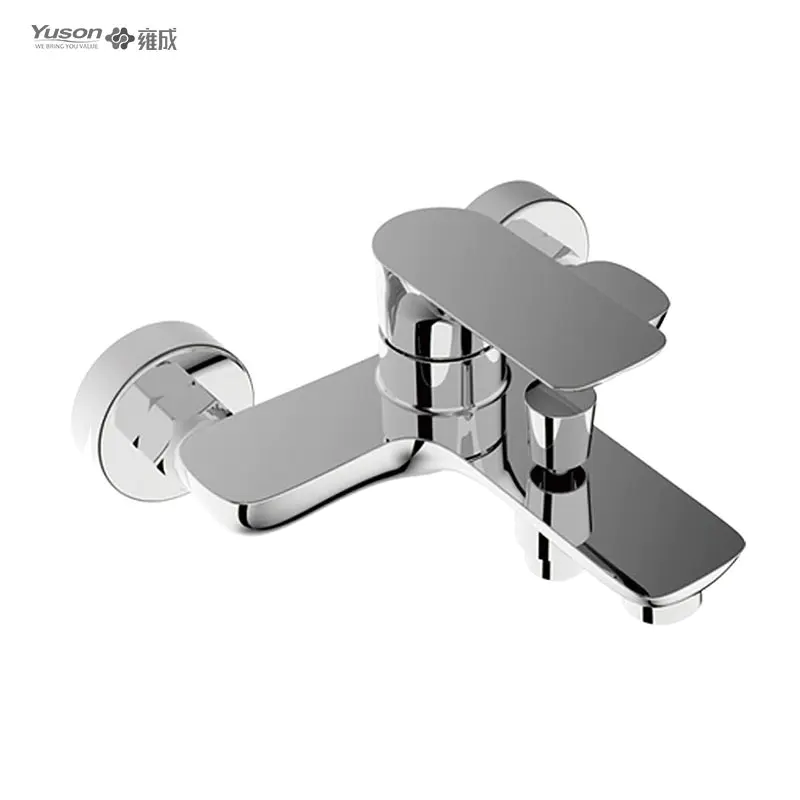
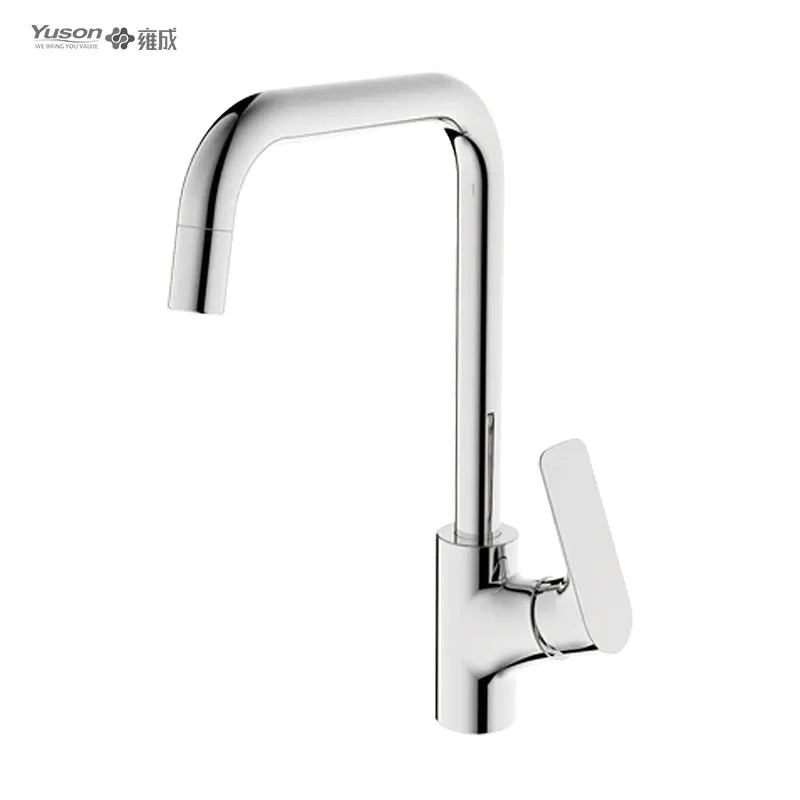
- Faucets and fixtures, including basin mixers and shower mixers.
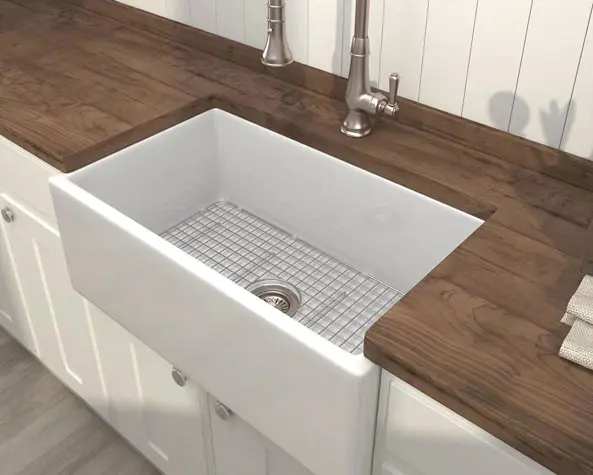
- Basins and vanity units, spanning countertop, wall-hung, and under-mount styles.
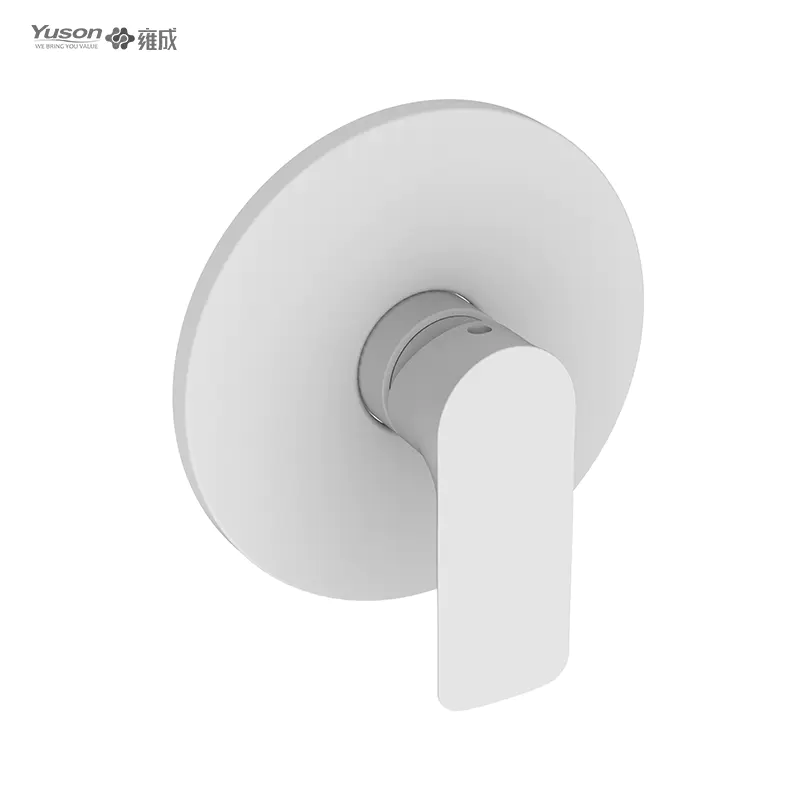
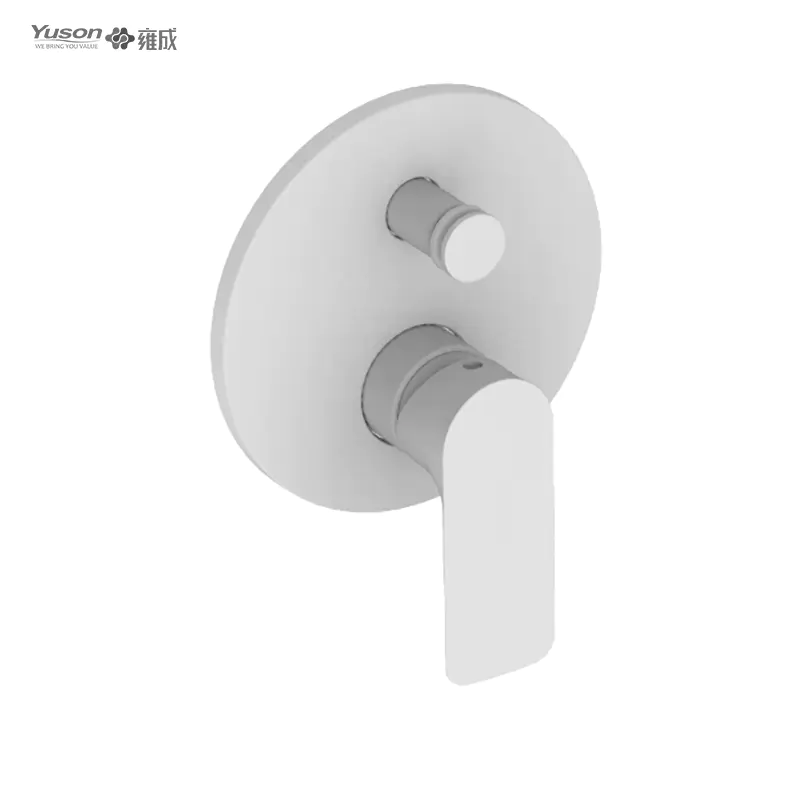
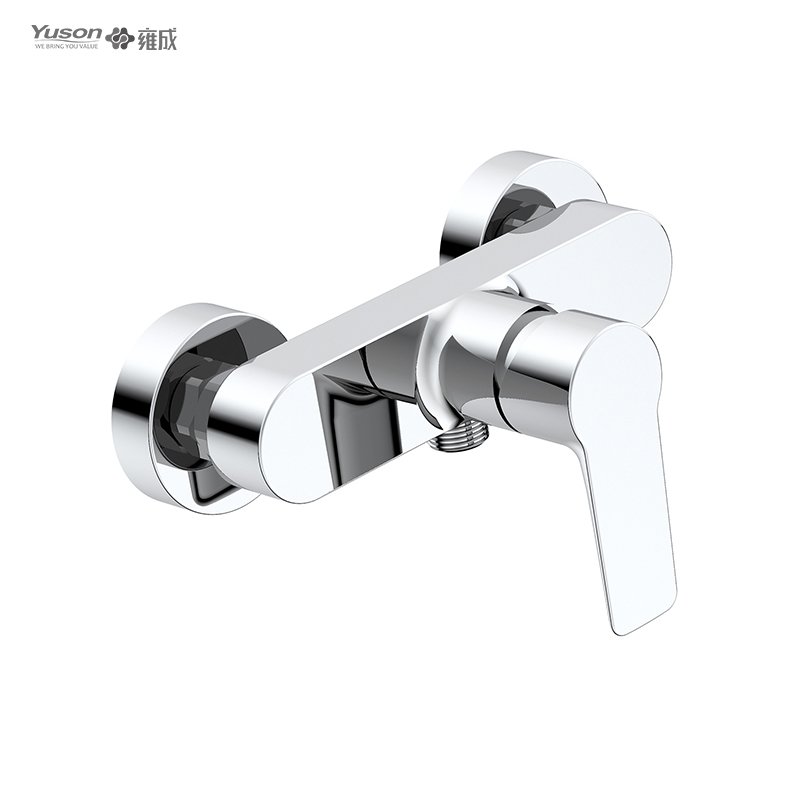
- Shower systems and enclosures, including thermostatic and manual mixing valves.
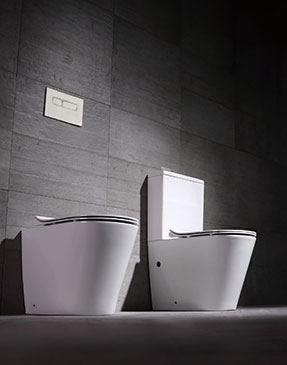
- Toilets and bidets, matched in both silhouette and glaze finish.
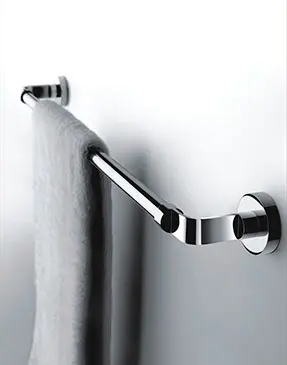
- Accessories and storage, such as towel bars, mirrors, and cabinet hardware.
The mistake many dealers make is treating accessories as an afterthought. Buyers frequently make their final decision based on small details like a towel bar finish matching a faucet finish exactly, so accessories deserve the same coordination effort as the larger fixtures.
Working rule of thumb: if a category is something a buyer would photograph in the same frame during a bathroom tour, it belongs in the same collection line.
Presenting the Collection as a Single Visual Story
Photography and staged imagery matter more for a collection than for a single product listing, because the value proposition is the relationship between items, not any one item on its own. A well-lit, styled room shot does more to communicate coordination than a spec sheet ever will.
When a dealer sources a coordinated bathroom collection, it becomes possible to reuse the same styled photography across catalog pages, showroom signage, and sales handouts, which reduces marketing cost per category while keeping the presentation consistent across every touchpoint a buyer sees.

How to Choose Compatible Finishes and Silhouettes Across Categories
Coordination fails most often at the finish level, not the category level. A dealer can stock the right five categories and still present a mismatched collection if the metal tones, gloss levels, or design silhouettes do not agree with each other.
Finish Consistency
Warm metal tones such as brushed brass or bronze should generally not be paired on the same display with cool tones like chrome or brushed nickel, unless the pairing is deliberately presented as a structured mixed-metal option. Without clear design intent, buyers may read mismatched metal tones as a mistake rather than a style choice.
Silhouette Consistency
Angular, minimalist faucet lines look out of place next to rounded, traditional basin shapes. Grouping products by silhouette family, geometric versus soft-curved, before grouping by finish gives a more reliable coordination baseline than finish matching alone.
| Silhouette Family | Typical Faucet Profile | Typical Basin Profile & Finish Pairing |
|---|---|---|
| Geometric / Minimalist | Square spout, sharp edges | Rectangular basin | Matte black, brushed nickel |
| Soft Contemporary | Rounded lever, gentle curve | Oval basin | Chrome, brushed brass |
| Traditional | Cross handles, ornate base | Pedestal round basin | Polished brass, bronze |
Data Snapshot: Hypothetical Showroom Floor Space Allocation
Floor space allocation is one of the clearest signals of how a dealer prioritizes a collection. The distribution below reflects a hypothetical planning example for a mid-sized bathroom showroom transitioning to a collection strategy.
| Bathroom Category | Example Space Allocation (%) |
|---|---|
| Basins and Vanities | 26% |
| Showers and Enclosures | 24% |
| Faucets and Fixtures | 22% |
| Toilets and Bidets | 14% |
| Accessories and Storage | 14% |
Building a Showroom Display Layout That Sells the Full Collection
Layout decisions determine whether a buyer actually experiences the collection as coordinated or simply walks past five unrelated aisles. Three practical layout principles can make a collection easier to understand:
- Group by room scenario rather than by product type, so a full vanity-shower-toilet vignette sits together rather than being split across category zones.
- Place accessories within arm's reach of the matching fixture rather than in a separate accessories corner.
- Use a single dominant finish per vignette, allowing for a structured mixed-metal option if preferred.
A showroom that displays coordinated vignettes provides a more holistic view for buyers, allowing them to visualize the finished room rather than individual raw materials.
Common Sourcing and Coordination Mistakes Dealers Make
Even experienced dealers repeat a small set of avoidable errors when assembling a collection.
| Mistake | Why It Hurts Sales | Better Approach |
|---|---|---|
| Stocking finishes inconsistently across categories | Buyers cannot complete the look, so they delay the purchase | Standardize a finish palette before adding new SKUs |
| Treating accessories as low priority | Small mismatches are highly visible to buyers | Source accessories in the same batch as fixtures |
| Overstocking every silhouette family | Dilutes floor space and confuses the buyer journey | Commit to two or three core silhouette families |
| Displaying by category instead of by scenario | Forces the buyer to do the coordination mentally | Build vignettes that show a finished room |

Dealer Checklist: From Sourcing to Showroom Floor
Quick Reference Tags for Collection Planning
- Finish Consistency
- Silhouette Match
- Accessory Coverage
- Scenario Layout
- Bundled Pricing
Frequently Asked Questions
Q1: How many product categories does a complete bathroom collection need?
Most functional collections cover five core categories: faucets and fixtures, basins and vanities, showers and enclosures, toilets and bidets, and accessories. Fewer than that tends to leave visible gaps in a showroom vignette.
Q2: Should a dealer prioritize finish matching or silhouette matching first?
Silhouette family should be settled first, since a matched finish on mismatched shapes still reads as uncoordinated. Once the silhouette family is fixed, finish selection becomes a much simpler decision.
Q3: Is it better to stock a small curated collection or a large full catalog?
It depends on showroom size and buyer type. A curated core collection generally produces simpler displays and a more focused buyer experience, while full-catalog stocking suits dealers serving highly varied custom projects that need broader selection.
Q4: How should accessories be positioned relative to fixtures in a showroom?
Accessories (like Bathroom Accessories Sets) should sit within the same vignette as the matching fixtures rather than in a separate accessories section, since buyers often finalize a purchase decision based on how the small details look together.
Q5: What is the fastest way to test whether a collection layout is working?
Track the ratio of bundled orders to single-item orders over a full quarter. A rising ratio after a layout change is a useful signal that the coordinated presentation is influencing buyer behavior.


 Contact us


 Leave A Message