 0

 0





 English
 España
What Separates High-Turnover Bathroom Accessories From Slow Movers
Distributors know dead stock kills margins. A standard towel bar and a premium decorative tray might share a catalog page, but they turn at vastly different rates. Turnover speed in bathroom hardware is driven by replacement frequency, installation friction, and finish durability. Recognizing this operational difference changes how buyers structure purchase orders.

The Core Difference: Fast Movers vs. Slow Movers
High-turnover products serve daily functions, install easily, and are frequently requested during minor refreshes. Slow movers usually rely on full-scale renovations or niche trends.
| Feature | Fast Movers (High Turnover) | Slow Movers (Low Turnover) |
|---|---|---|
| Usage Frequency | Daily, high physical wear | Occasional or decorative |
| Installation | Simple, often DIY-friendly | Complex, requires precise drilling |
| Price Tier | Mid-range | Premium or specialized |
| Project Dependency | Low. Replaced opportunistically. | High. Tied to major remodels. |
| Stocking Strategy | Deep stock, regular cycles | Lean inventory, on demand |
Categories like shower caddies turn faster due to constant moisture exposure and corrosion risk, while liquid dispensers face mechanical wear. Conversely, grab bars move in batches tied heavily to commercial retrofits or accessibility code upgrades rather than natural wear.
How Surface Finish Dictates Safety Stock
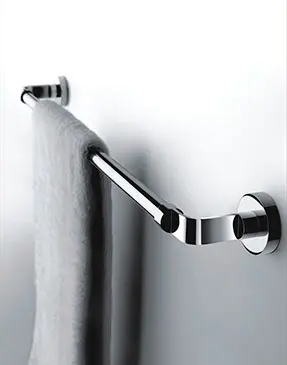
Experienced purchasing managers track finishes alongside SKUs. The surface treatment of a Bathroom Accessories directly affects return rates, transit damage, and sell-through speed.
Glossy black and polished chrome are prone to visible micro-scratches during handling and show hard water spots quickly, leading to higher B2B exchange rates. Matte black and brushed nickel hide fingerprints and minor marks, resulting in fewer post-sale complaints. Safety stock levels should adapt to these finish-specific return trends rather than applying a flat rate across the board.

Practical Case: Auditing a 100-SKU Catalog
To stop bleeding cash on dead inventory, distributors need to categorize their catalog. To illustrate, here is an example inventory structure for a hypothetical 100-SKU bathroom hardware catalog optimized for cash flow:
Mid-priced towel bars, paper holders, and caddies in mainstream finishes. Strategy: Prioritize continuous availability. Order well ahead of local seasonal construction spikes.
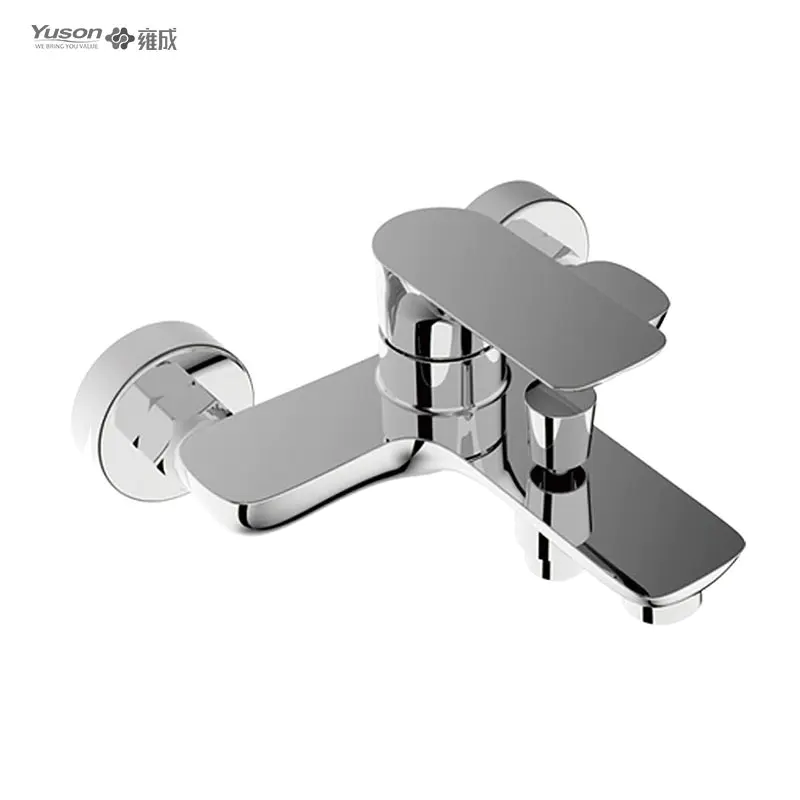
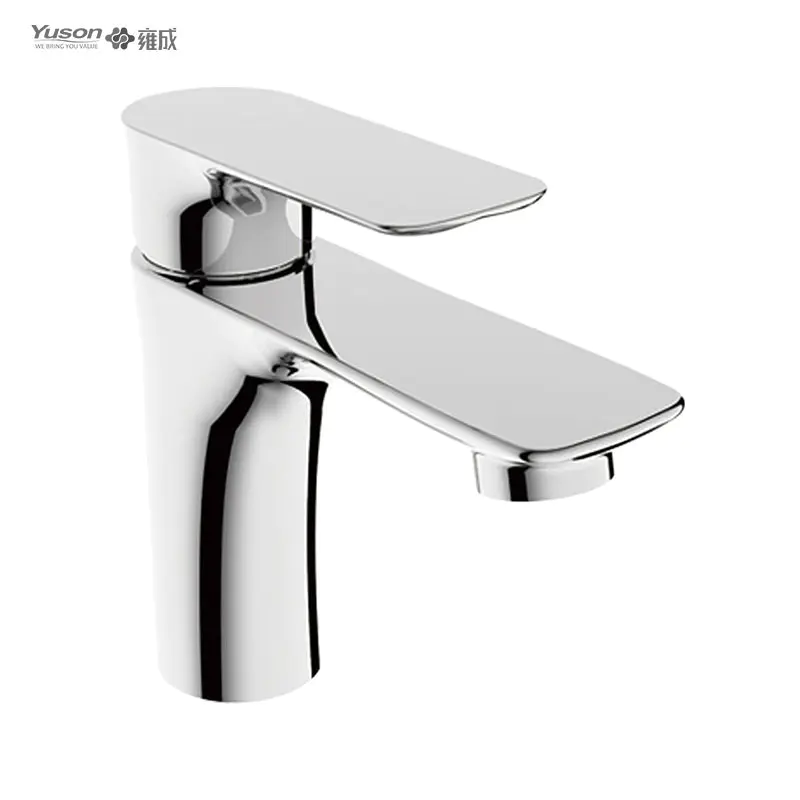
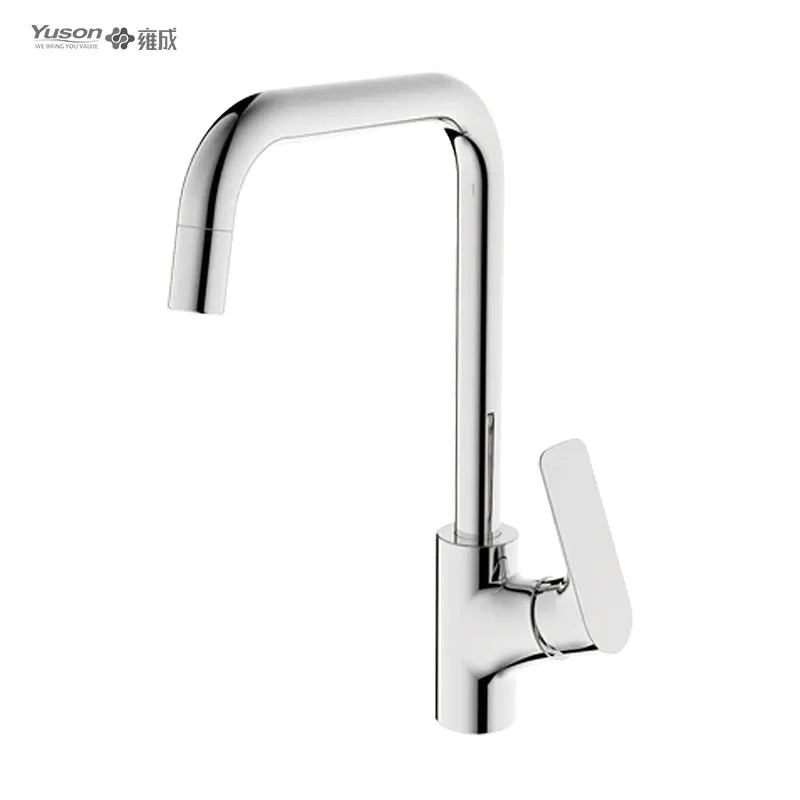
Secondary items like robe hooks, matching Bathroom Faucets and Mixers, or grab bars. Strategy: Maintain moderate stock; bundle with fast movers to increase average ticket size.
Polished gold sets or highly specific design shapes. Strategy: Run lean. If a SKU stagnates over multiple ordering cycles, discount and phase it out.
The Supplier’s Role in Your Inventory Turnover
A distributor’s inventory strategy relies on factory execution. Managing turns effectively requires a supplier capable of supporting flexible B2B procurement.
Packaging is critical. High-turnover goods need robust internal packaging. A factory cutting corners here causes glossy finishes to arrive scratched, turning viable stock into dead returns.
Similarly, a supplier’s MOQ (Minimum Order Quantity) and lead time stability impact your cash flow. If a factory insists on high MOQs for slow-moving finishes, or lead times fluctuate wildly, distributors are forced to overstock to buffer unreliability. Partnering with manufacturers offering consistent finish quality, reliable shipping schedules, and accessible spare parts (like pump mechanisms) keeps warehouses moving efficiently.

Frequently Asked Questions
Q1: How do distributors quickly identify slow-moving SKUs?
Track consecutive zero-sales periods. If an accessory sits untouched for multiple ordering cycles while sister products move, it is draining warehouse space.
Q2: Should every finish of the same product have the same stock level?
No. Stock levels should mirror market demand and return rates. Standard matte or brushed finishes generally form the bulk of inventory, while trend-specific colors sit leaner.
Q3: When should a slow-moving SKU be phased out?
If a product requires heavy promotional discounts to move, or if its return rate wipes out the margin, warehouse space is better allocated to core anchor items.


 Contact us


 Leave A Message