 0

 0


 English
 España
Investment Casting or Welding: What Actually Makes a Stainless-Steel Concealed Faucet Safe?

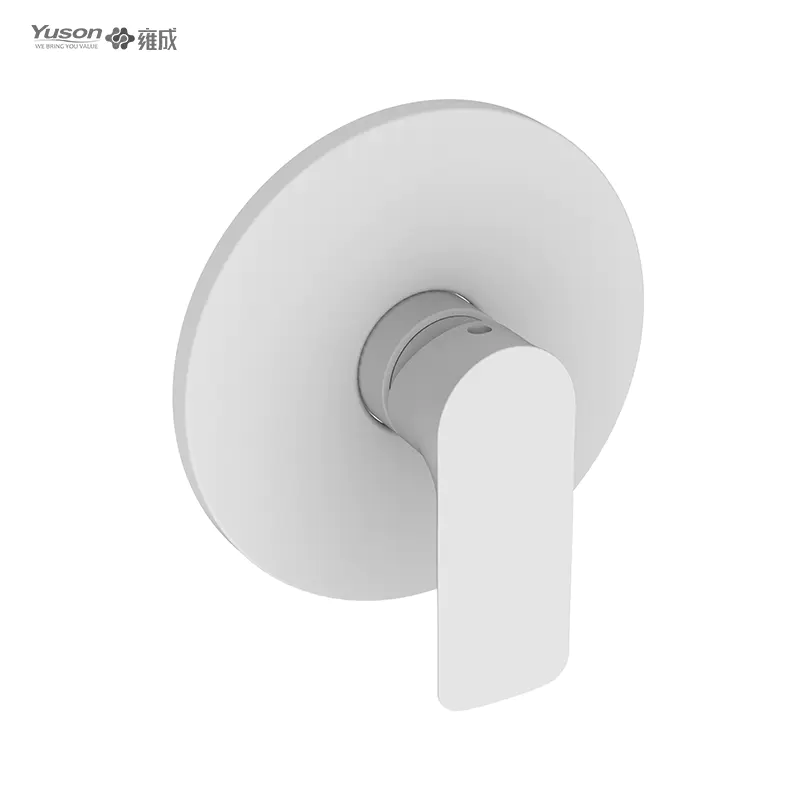
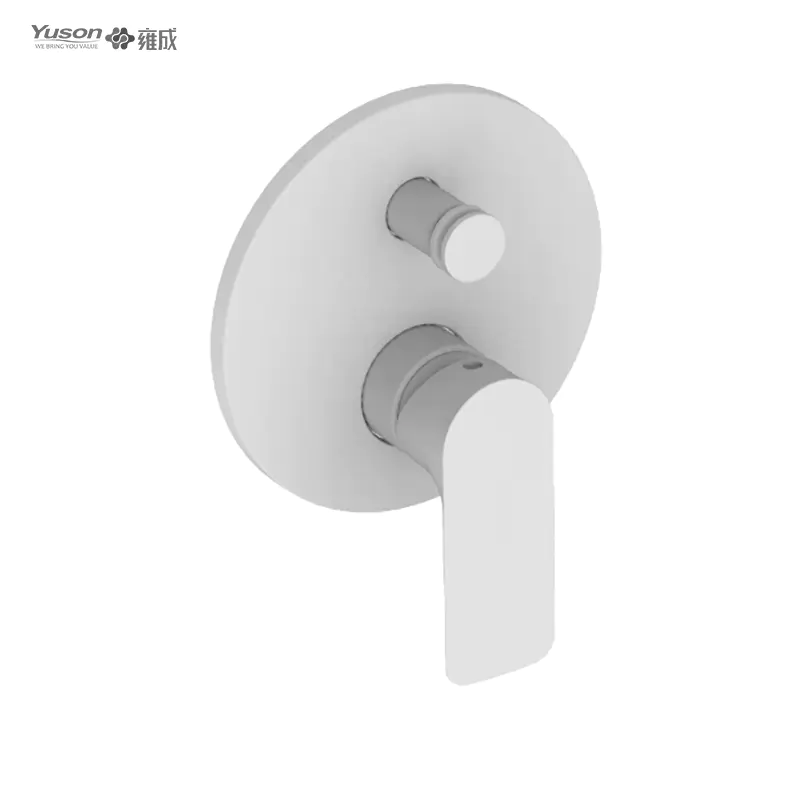
Why concealed products need a different definition of safety
An exposed faucet normally reveals leakage quickly. A concealed mixer is different. Its body, inlet connections and internal waterways may remain behind tile for many years.
The permanent pressure boundary should contain as few uncertain interfaces as reasonably possible.
Investment casting: fewer joints, but casting quality becomes everything
An integral cast body can create complex waterways, valve chambers and connection ports in one component.
This can remove several welded pressure joints and eliminate variables related to weld penetration, porosity, heat distortion and internal weld-root finishing.
However, casting does not eliminate defects. During solidification, poor feeding, unsuitable geometry or local hot spots may create shrinkage, microporosity or inclusions.
Welding: predictable base material, but the joint becomes the risk
A welded body is generally fabricated from wrought stainless bar, tube, plate or machined components. The parent material is normally dense and predictable.
But every permanent weld becomes part of the pressure boundary.
- Is the joint designed for full penetration?
- Can the root side be properly shielded?
- Can the inside of the waterway be inspected?
- Is heat input controlled?
- Can the heat-affected surface be treated correctly?
- Is every finished valve body pressure tested?
Which process carries the more difficult defect?
| Dimension | Integral Investment Casting | Fabricated Welded Body |
|---|---|---|
| Base material | Cast stainless; density depends on melting, feeding and solidification | Wrought bar/tube/plate normally highly predictable |
| Main hidden defects | Shrinkage, microporosity, inclusions | Incomplete penetration, lack of fusion, porosity, root oxidation |
| Permanent joints | Potentially very few | Usually more |
| Heat-affected zone | None if truly integral | Present around every weld |
| Complex waterways | Strong advantage | Complexity normally increases the number of parts and welds |
| Small-volume development | Higher tooling and validation cost | More flexible |
| Mass-production consistency | Strong after the casting process becomes mature | Strong with automation; more operator-dependent with manual welding |
The final viewpoint
If the comparison is between a mature pressure-grade investment-cast integral body and a conventional multi-piece manually welded stainless body, we prefer the integral casting for concealed faucet applications.
The reason is not that casting has no defects. The reason is that an integrated pressure body can eliminate several permanent pressure-boundary welds.
However, if the casting supplier cannot control shrinkage, internal porosity, heat treatment and pressure-tightness consistently, a properly engineered welded 316L body can be safer than an unstable casting.
The right purchasing rule is: minimize permanent pressure interfaces, then prove every remaining risk through material control, process qualification, inspection and 100% pressure testing.




 Contact us


 Leave A Message